RetouchEngine
Photo adjustments as an API. Documented pixel math, never generative AI. The same call always returns the same image, byte for byte.
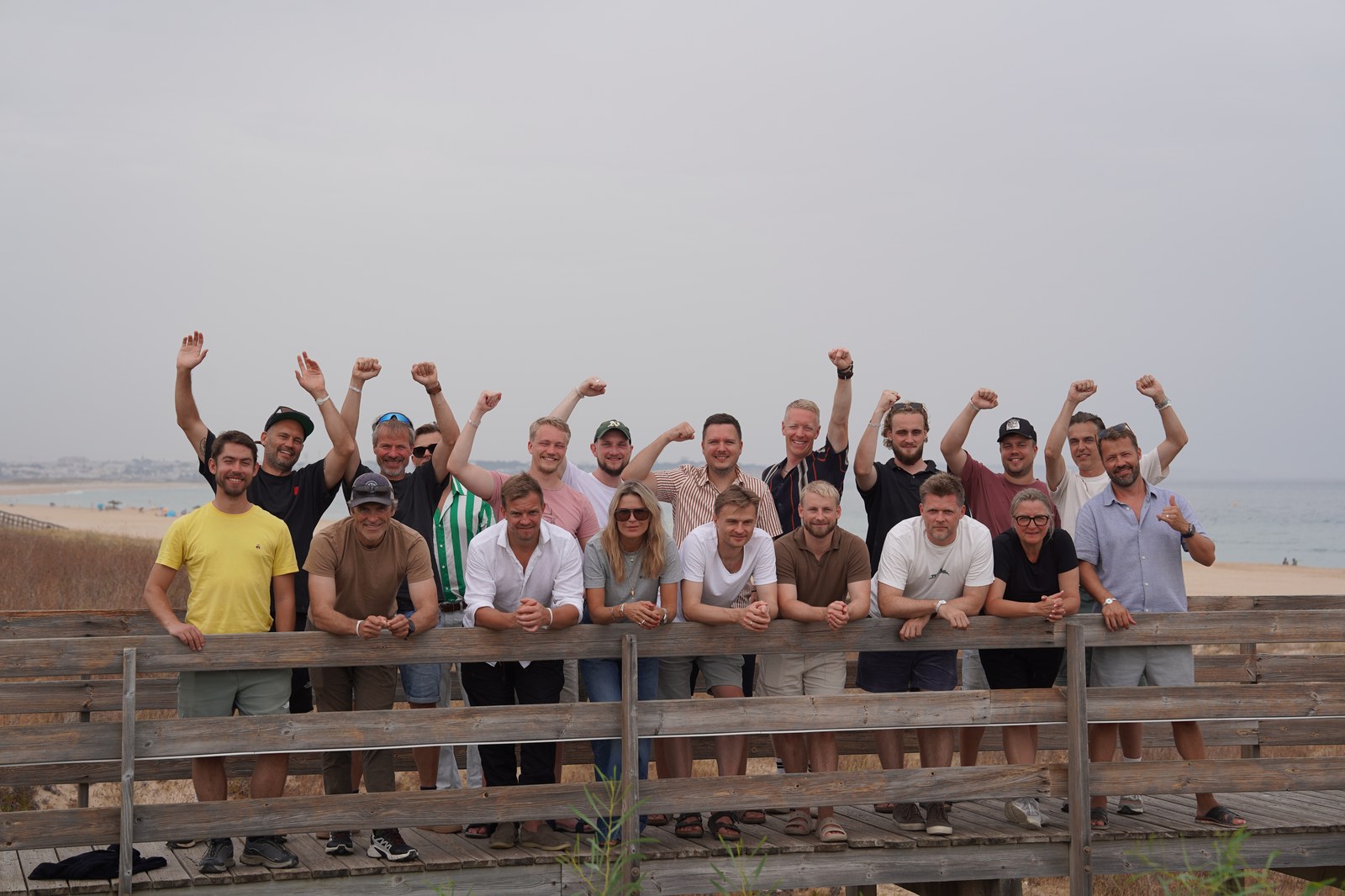
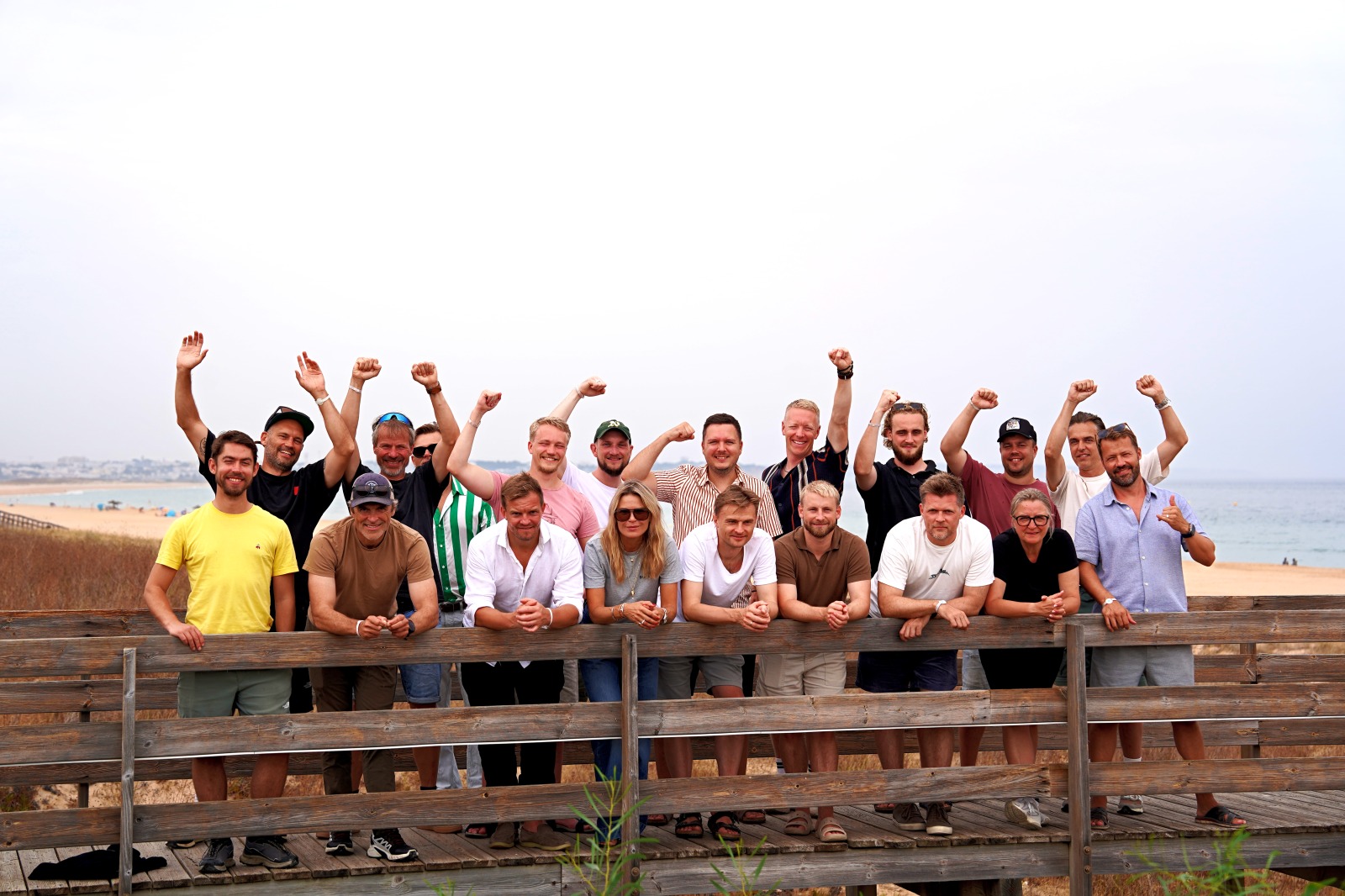
Drag the handle. One API call: autotone · shadows +0.2 · clarity 0.4 · vibrance 0.25 · person_light 0.35: every face lifted, nothing redrawn.
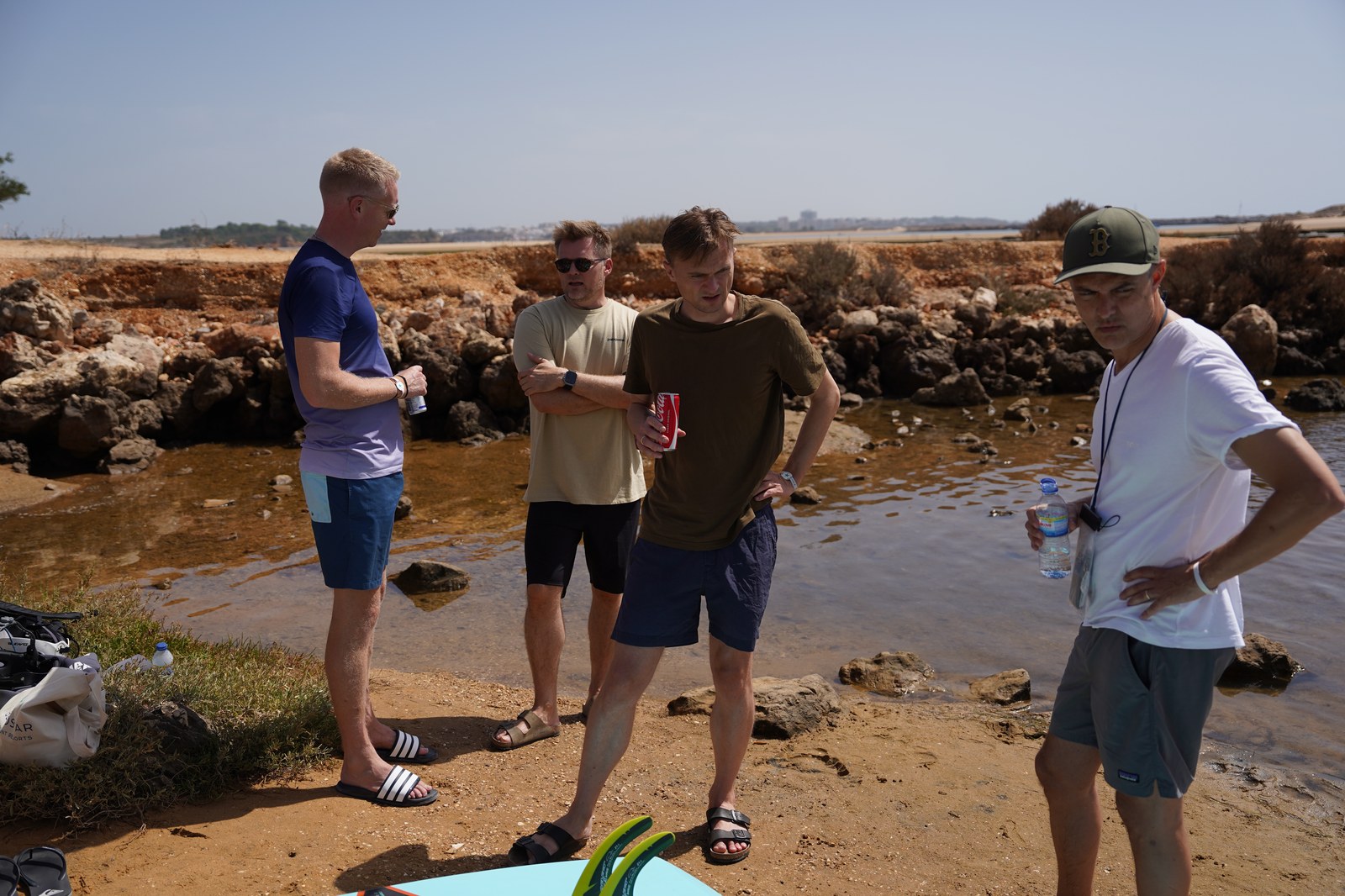
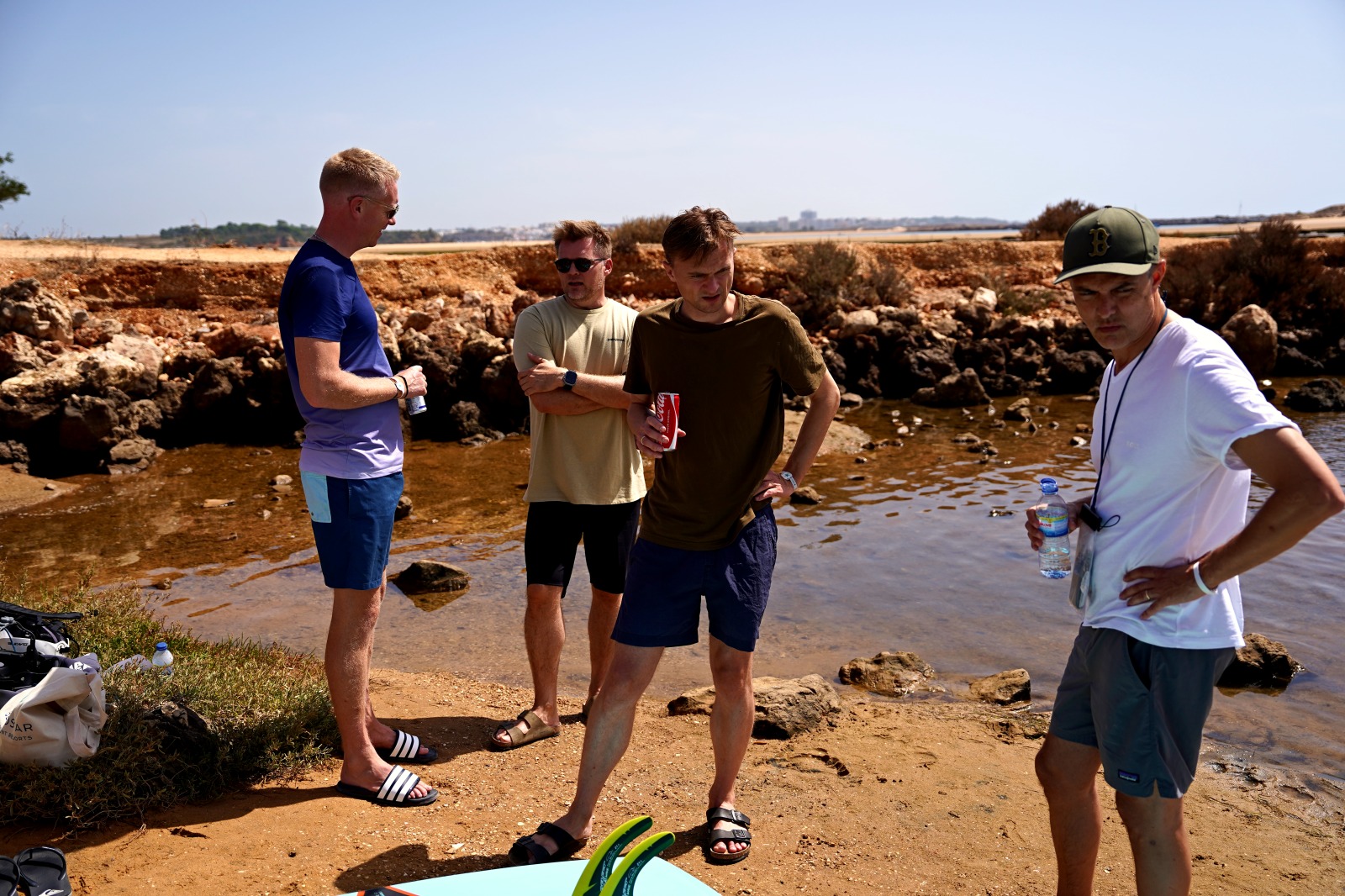
Same engine, different photo: autotone · clarity 0.5 · vibrance 0.2 · warmth 0.15. The scene stays exactly as it was, just alive.
# This is the exact call behind the second slider, plain words above, real code here
curl -X POST https://retouchengine.com/v1/edit -H "X-API-Key: rte_..." \
  -F "image=@beach.jpg" \
  -F 'ops=[{"op":"autotone"},{"op":"clarity","amount":0.5},{"op":"vibrance","amount":0.2},{"op":"warmth","amount":0.15}]' -o retouched.jpg
Want this on your own photo, with the request written for you as you click? Open the Studio →
Why deterministic?
Generative models redraw your photo, faces shift, textures melt, trust dies. RetouchEngine only ever adjusts what is already there: tone, color, detail, geometry, finish, and a person-aware brightener that can't blow highlights. 27 operations, 6 presets, one honest API.
The features photographers actually use
We took the most-used adjustments from tools like Photoshop and Lightroom, the handful real photographers reach for on every job, and turned them into software that understands the photo and adjusts with AI, never by AI. Let the photo be read by AI; we never start redrawing the image. AI for inspection, old school code for retouch. That is what makes the results reliable.
Read with AI
Give a style brief like “candid style editing with a bit of glamour” and the AI looks at
your photo and recommends concrete catalog settings. The recommendation is advice; the edit itself
is pure deterministic pixel math you can inspect in the response headers. One call with
apply=true and the finished JPEG comes back. See how →
Built for delivery, not inspection
A machine for constant, steady improvement: outputs are reliable, directly usable photos you can deliver to consumers without manual inspection. Every result is the actual photo, just retouched.
Proof, not promises
Byte-identical
Same input + same parameters = identical bytes. We test it on every deploy.
Full resolution
Up to 40 MP per image. A 24 MP chain runs in ~4 seconds.
Private by design
Images are processed in memory, never stored. EXIF is stripped from every output.